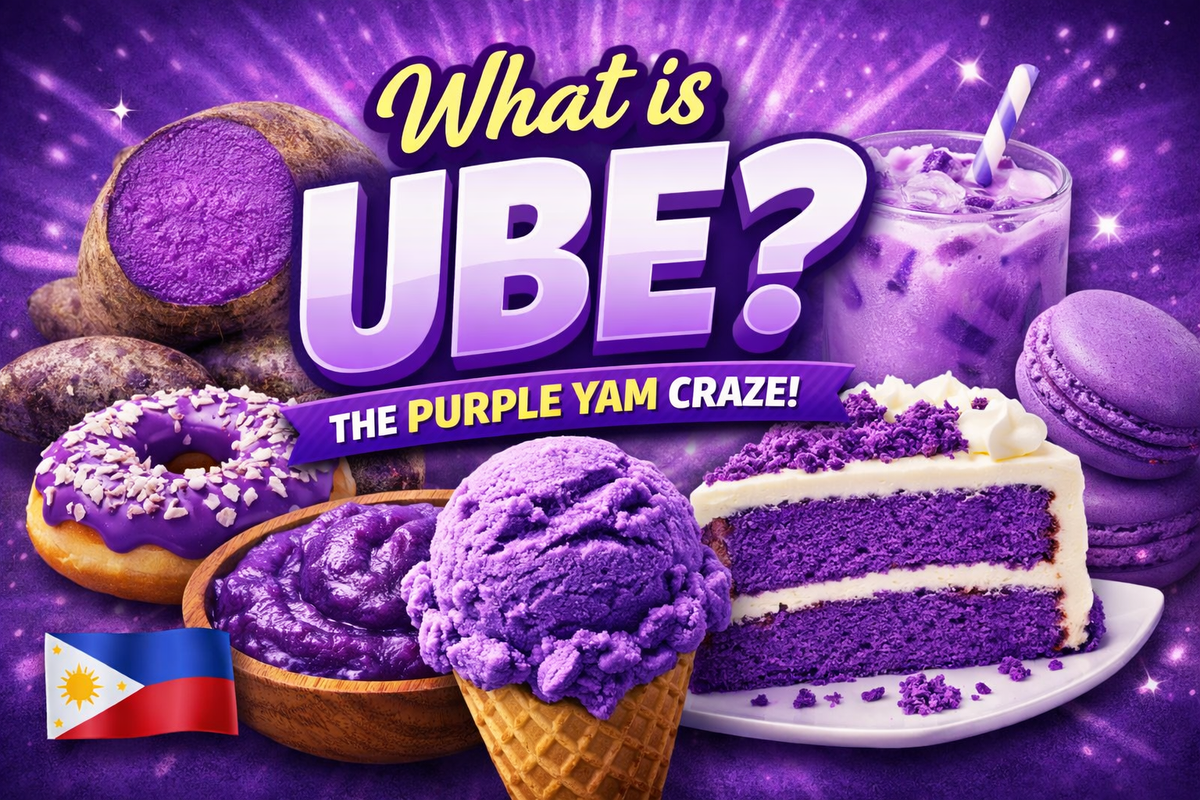
If you’ve scrolled through Instagram or visited a modern bakery recently, chances are you’ve seen bright purple desserts labeled “ube.” From lattes and ice cream to cakes and donuts, ube has become one of the most recognizable food trends of the last few years. But what exactly is ube, where does it come from, and why is it suddenly everywhere?
Introduction
In this complete guide, you’ll learn everything about ube — its origins, flavor, health benefits, culinary uses, and why it’s becoming a global sensation.
What Is Ube?
Ube (pronounced oo-beh) is a purple yam native to the Philippines. Its scientific name is Dioscorea alata, and it has been cultivated for centuries as a staple root vegetable in Filipino cuisine.
Ube is not a sweet potato, nor is it the same as taro or purple sweet potato — although they are often confused. What makes ube unique is its vibrant violet-purple flesh and naturally sweet, nutty, vanilla-like flavor.
Traditionally, ube is boiled, mashed, and sweetened to create ube halaya, a smooth, glossy jam used as a base for many Filipino desserts.
Where Does Ube Come From?
Ube originates from Southeast Asia, particularly the Philippines, where it has been part of local food culture for generations. It grows underground like other yams and thrives in tropical climates.
In the Philippines, ube is more than just an ingredient — it’s a cultural symbol. It’s often served during holidays, celebrations, and family gatherings, appearing in classic desserts like:
- Halo-halo
- Ube cake
- Ube flan
- Ube ice cream
Over time, Filipino immigrants introduced ube to other countries, especially the United States, Canada, and parts of Europe, where it gained popularity in Asian bakeries before becoming a mainstream trend.
What Does Ube Taste Like?
Ube has a naturally sweet, creamy, and mildly nutty flavor with hints of vanilla and coconut. Unlike sweet potatoes, which can be earthy, ube has a dessert-friendly taste that works beautifully in baked goods and frozen treats.
Its texture is smooth when cooked and mashed, making it perfect for fillings, spreads, and creamy desserts.
Many people describe ube as:
- Sweet but not overpowering
- Rich and creamy
- Comforting and indulgent
This unique flavor profile is one of the main reasons ube has become so popular in modern desserts.
Ube vs Purple Sweet Potato vs Taro: What’s the Difference?
Although they look similar, ube, purple sweet potato, and taro are three completely different root vegetables.
Ube
- Flavor: Sweet, nutty, vanilla-like
- Color: Deep purple
- Best for: Desserts, jams, baked goods
Purple Sweet Potato
- Flavor: Mildly sweet, earthy
- Color: Purple, but often lighter than ube
- Best for: Roasting, fries, savory dishes
Taro
- Flavor: Mild, starchy, slightly nutty
- Color: White or light purple with specks
- Best for: Savory dishes, bubble tea, soups
Many products labeled “ube” outside the Philippines actually use purple sweet potato, which is cheaper and easier to source. True ube has a more intense purple color and a distinct dessert-friendly taste.
Why Is Ube So Popular Right Now?

Ube’s rise in popularity isn’t random. Several trends have come together to make it a global food phenomenon.
1. Visual Appeal
The vibrant purple color of ube is naturally eye-catching and photogenic, making it perfect for social media platforms like Instagram and TikTok.
2. Growing Interest in Filipino Cuisine
As global food culture becomes more diverse, people are discovering Filipino flavors, and ube is often the first ingredient they encounter.
3. Demand for Unique Flavors
Consumers are increasingly seeking new, exciting tastes beyond chocolate and vanilla. Ube offers something familiar yet exotic.
4. Plant-Based and Natural Ingredients
Ube is a natural root vegetable, making it appealing to those interested in plant-based, whole-food ingredients and natural food coloring.
Health Benefits of Ube
Ube isn’t just delicious — it also offers several nutritional benefits.
1. Rich in Antioxidants
The deep purple color of ube comes from anthocyanins, powerful antioxidants that help fight oxidative stress and inflammation in the body.
2. Supports Heart Health
Anthocyanins and dietary fiber in ube may help improve blood circulation, reduce bad cholesterol, and support overall heart health.
3. Aids Digestion
Ube is high in fiber, which promotes healthy digestion, supports gut health, and helps prevent constipation.
4. Provides Energy
As a starchy root vegetable, ube is a good source of complex carbohydrates, making it a great energy-boosting food.
5. Naturally Gluten-Free
Ube is naturally gluten-free, making it suitable for people with gluten sensitivity or celiac disease.
While ube desserts often contain sugar and cream, using ube itself in balanced recipes can be part of a healthy diet.
How Is Ube Used in Cooking?
Ube is most commonly used in desserts, but it can also be adapted for savory dishes.
Popular Dessert Uses
- Ube ice cream
- Ube cake and cupcakes
- Ube cheesecake
- Ube cookies and brownies
- Ube donuts
- Ube waffles and pancakes
- Ube mochi
- Ube flan
- Ube milk tea and lattes
Savory and Creative Uses
- Ube bread and rolls
- Ube pasta dough
- Ube-filled pastries
- Ube spreads and butters
The most common base ingredient is ube halaya, which acts like a jam or paste and can be incorporated into countless recipes.
How to Make Ube Halaya (Traditional Ube Jam)
Ube halaya is the foundation of most ube desserts. Here’s a simple homemade version:
Ingredients:
- 2 cups cooked and mashed ube
- 1 cup coconut milk
- 1 cup condensed milk
- 2 tablespoons butter
- ½ teaspoon vanilla extract
Instructions:
- In a pan over medium heat, combine ube, coconut milk, and condensed milk.
- Stir constantly until thick and smooth (about 20–30 minutes).
- Add butter and vanilla, mixing well.
- Continue stirring until glossy and spreadable.
- Let cool and store in the refrigerator.
This jam can be used in cakes, ice cream, pastries, and more.
Is Ube Natural or Artificially Colored?

True ube is naturally purple, thanks to its anthocyanin content. However, many commercial products use purple food coloring or purple sweet potato powder instead of real ube.
If you want authentic ube flavor and color, look for:
- Real ube puree
- Ube halaya made from fresh yams
- Products labeled “real ube” rather than “ube-flavored”
Authentic ube has a deeper flavor and richer color than artificial alternatives.
Where Can You Buy Ube?
Ube is becoming more widely available, especially in areas with large Asian or Filipino communities.
You can find ube in:
- Asian grocery stores
- Filipino markets
- Specialty baking shops
- Online food retailers
Common forms include:
- Fresh or frozen ube
- Ube halaya (jam)
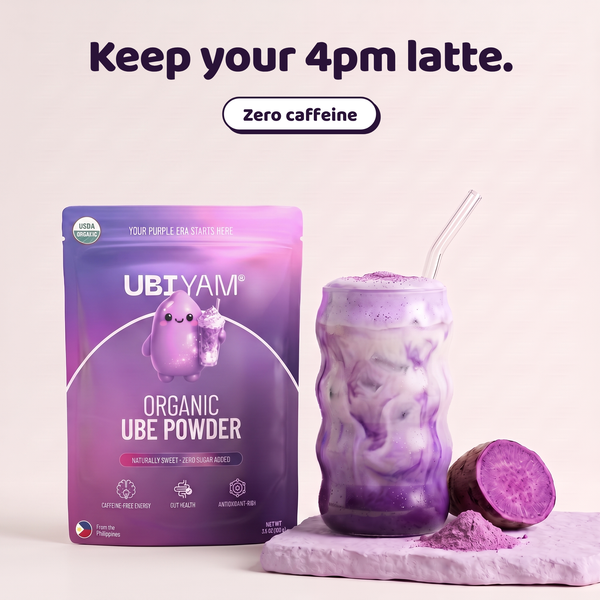
- Ube powder
- Ube extract or flavoring
If fresh ube is unavailable, frozen grated ube or ube jam is the next best option.
Ube Recipes That Are Trending Right Now
Here are some of the most popular ube-based foods online and in bakeries:
1. Ube Latte
A creamy drink made with ube, milk, and sweetener, often topped with foam or whipped cream.
2. Ube Cheesecake
A rich, purple cheesecake with a buttery crust and creamy ube filling.
3. Ube Donuts
Soft donuts filled or glazed with ube cream, often topped with coconut flakes.
4. Ube Pancakes
Fluffy pancakes infused with ube, served with syrup, butter, or coconut cream.
5. Ube Cookies
Soft or chewy cookies with a vibrant purple hue and subtle vanilla flavor.
These recipes continue to trend on social media and food blogs, helping drive ube’s popularity even further.
Is Ube Vegan and Allergy-Friendly?
Ube itself is vegan, gluten-free, and dairy-free. However, many ube desserts include dairy products like butter, cream, and condensed milk.
For vegan or allergy-friendly options, ube can be paired with:
- Coconut milk
- Almond milk
- Oat milk
- Plant-based butter
This makes ube an excellent base for inclusive desserts that fit a wide range of dietary needs.
Why Ube Is Here to Stay
Ube isn’t just a passing trend — it represents a broader shift toward global flavors, visually appealing foods, and culturally rooted ingredients.
Here’s why ube is likely to remain popular:
- It’s visually striking and social media-friendly
- It has a unique yet approachable flavor
- It fits into plant-based and natural food trends
- It connects people to Filipino culture and heritage
- It’s versatile across desserts, drinks, and baked goods
As consumers continue to explore new flavors, ube stands out as both nostalgic and innovative at the same time.
Final Thoughts: Should You Try Ube?
If you haven’t tried ube yet, it’s absolutely worth experiencing. Whether in a latte, ice cream, cake, or homemade dessert, ube offers a unique combination of flavor, color, and cultural richness.
From its humble roots in Filipino kitchens to its rise as a global food trend, ube proves that simple ingredients can make a powerful impact. As more people discover its taste and versatility, ube’s popularity is only set to grow.
If you’re looking to experiment in the kitchen, impress guests, or create content that stands out online, ube is an ingredient you don’t want to miss.
Similar articles :
- 100 Ube Powder Most Asked Questions
- The Ultimate Ube Guide: 50 Delicious Purple Yam Recipes + Health Benefits You Need to Try
- How to Make the Perfect Ube Latte at Home
- Gut-Friendly Foods You Should Add to Your Diet
- Ube Flavouring: Everything You Need to Know About This Delicious Purple Ingredient
- The Purple Root Everyone Is Talking About: Discover the Amazing Benefits of Ube
 Organic Ube Powder